
Brevard County Directory Shelves
Brevard County Libraries publish useful shelf-level detail for two R. L. Polk groupings and the Hill-Donnelly countywide reverse books. The years are not continuous. Missing editions must stay missing in a citation rather than being filled by assumption. Other sources bridge gaps but do not become city directories simply because they list names.
| Collection | Years | Where Held | Access |
|---|---|---|---|
| R. L. Polk, Melbourne area | 1984-1986, 1988, 1991-1994, 1997-1999 | Central Brevard Library | Local-history shelf; appointment advised |
| R. L. Polk, Titusville and Mims | 1981, 1986-1988, 1990-1996, 1998-2001, 2003-2005 | Central Brevard Library | In-person library access |
| Hill-Donnelly Brevard criss-cross | 1969-1985, 1987-1989, 1991-1999, 2001-2002, 2004-2006 | Brevard County Libraries | Search by address or phone, not name |
| Florida Star | 1880-about 1917 | LOC and UF Digital Collections | Free OCR and page images |
| Federal census | Public through 1950 | NARA and library databases | Schedules open after 72 years |
The Melbourne grouping includes Indialantic, Indian Harbour Beach, Melbourne Beach, Palm Bay, Satellite Beach, and West Melbourne. A Cocoa grouping also covers Cocoa Beach, Merritt Island, and Rockledge, but the official inventory wraps its year columns ambiguously. Inspect that row or ask staff before publishing an exact Cocoa sequence.
The Hill-Donnelly run deserves separate handling from Polk. Choose a year nearest the known event, then search the street and house number or the telephone number. Read the homes immediately before and after the target because numbering, vacant lots, and multi-unit entries can explain an apparent gap. Carry the listed occupant into an alphabetical Polk volume when one exists, then compare the address with a census schedule, obituary, or deed. Do not silently bridge 1986, 1990, 2000, or 2003, which are gaps in the verified countywide reverse holdings. A citation should name the publisher, edition year, place scope, page, and whether the result came from the address or telephone arrangement.
Brevard Directory Help In Cocoa
The Brevard County Libraries genealogy service is the first local stop. Catherine Schweinsberg Rood Central Library in Cocoa has the system's largest genealogy collection, early newspapers, courthouse-record microfilm, and shared space with the Historical Commission. The collection began in 1989 with Brevard Genealogical Society material and grew through a Brevard Community College donation in 2002.
Current access requires an appointment. Published help hours are Monday through Friday, 9 a.m. to 5 p.m.; call 321-633-1792 or the genealogy desk at 321-633-1794 before traveling. Ancestry Library Edition is available at county branches only on a library computer or a device using library Wi-Fi. Catalog searches should be run separately for Titusville, Cocoa, Rockledge, Eau Gallie, Melbourne, and Palm Bay.
Search Brevard Directories Town By Town
One county name is too broad for old catalog work. Brevard County was created as St. Lucie County in 1844 and renamed in 1855, and its former territory was much larger. Later growth produced separate municipal, postal, island, and beachside headings. A directory search should use the community name in force during the target year.
Eau Gallie and Melbourne consolidated in 1969. Search both names in catalogs, newspapers, directories, and census aids even if the family stayed at one address. Indian Harbour Beach, Satellite Beach, Indialantic, and Melbourne Beach remain separate municipalities even when broad directory products group them with Melbourne.
Note: A historic place heading can change while the people and property remain in the same physical spot.
Read A Brevard City Directory
No official digitized Brevard sample page was clear enough to verify local symbols. Do not assume that marks from another publisher carry over. Photograph the title page and abbreviation key first, then transcribe only what the chosen edition defines. Hill-Donnelly's local rule is verified: those volumes search by phone or address rather than name.
| Printed name | Copy spelling, initials, and order exactly as shown. |
|---|---|
| Spouse or household note | Record it only if the volume includes and defines it. |
| Work line | May state a trade, role, or business; check the key. |
| Street address | Preserve the number, direction, suffix, and unit as printed. |
| Status mark | Owner, renter, widow, boards, or residence symbols vary by edition. |
- Criss-cross directory
- An address-first or phone-first volume used to find a listed name at a known place.
- Householder index
- A list centered on heads of households, which may omit other people at the same address.
- Abbreviation key
- The publisher's legend for short forms and status marks in that exact edition.
A precise transcription preserves uncertainty. If a mark is unclear, note it as unclear. The title page also proves publisher, place scope, and year, which are vital when several Space Coast towns share one edition.
Florida Star Names Brevard Residents
The Florida Star began in Titusville in 1880, moved publication to Cocoa on November 1, 1912, and ended around 1917. The same title follows a shift in Brevard's commercial geography. Its pages contain residents, businesses, legal notices, obituaries, social calls, railroad news, and the citrus and pineapple trade.
Search the Library of Congress Florida Star record and University of Florida Digital Collections with name and address variants. OCR, the machine-read text behind keyword search, can miss faded type. Browse dates and page images when a spelling search fails.
The digital collections screen shows how remote keyword work can reach Brevard material before a library visit.
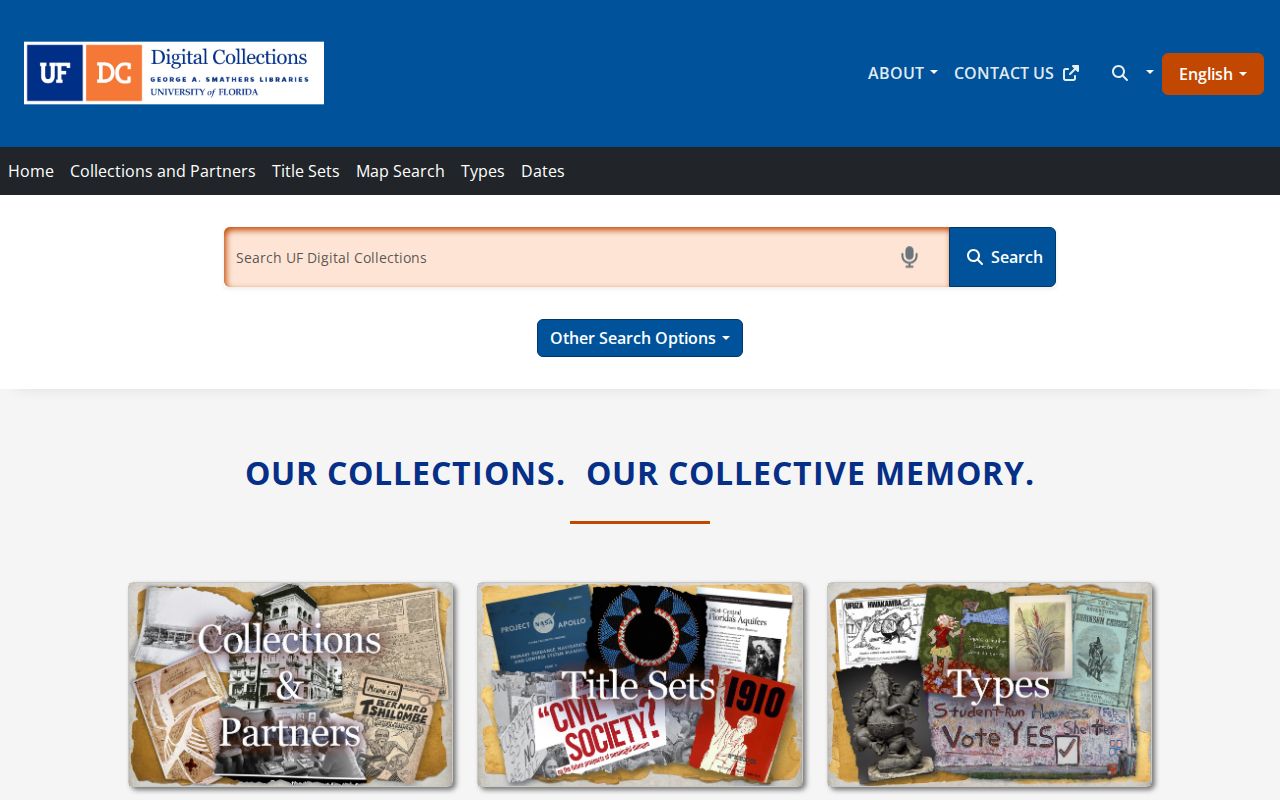
Newspaper evidence works best between directory editions and census years, then should be tied back to a dated record.
Brevard Names Beyond City Directories
Florida Memory has a rare Brevard elected and appointed officials directory covering 1870 through 1969, plus the fully scanned Call and Brevard Family Papers. Its selected state and local collections can supply names, offices, correspondence, photographs, and family links that a printed city directory leaves out.
The State Archives of Florida supports catalog research and access to records not fully digitized.
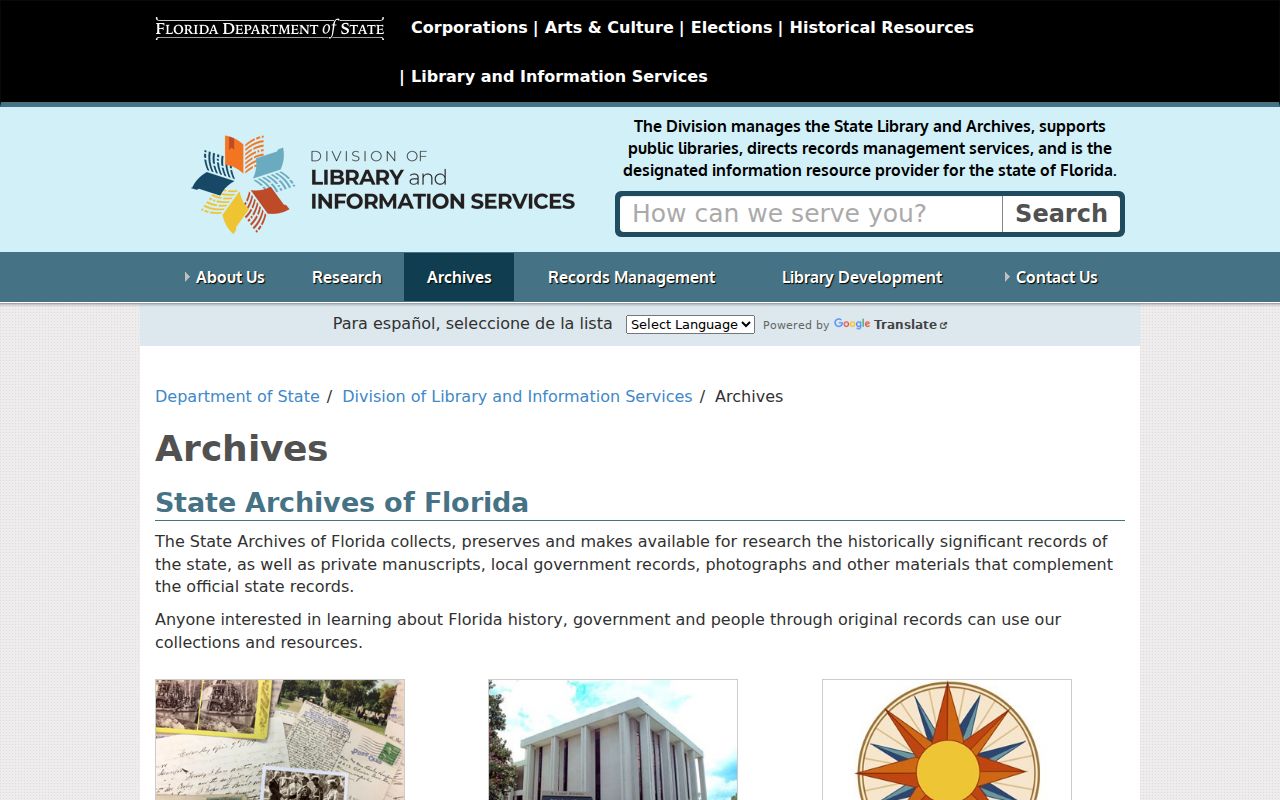
The archive route matters when online search stops at metadata or when a manuscript has no full web image.
Brevard Library Collections By Town
Melbourne Public Library at 540 East Fee Avenue holds the Melbourne City Hall and Arlyn Gantz Michigan collections; its phone is 321-952-4514. Titusville Public Library at 2121 South Hopkins Avenue holds North Brevard Mortuary Indexes, East Coast Advocate and Indian River Advocate material for 1890 through 1929, and early Florida censuses; call 321-264-5026.
The Library of Florida History at 435 Brevard Avenue in Cocoa, 321-690-1971, holds books, maps, manuscripts, postcards, photographs, 150 to 200 family histories, and a large WPA records collection. Historical Commission microfilm includes the East Coast Advocate, Florida Star, and Melbourne Times, plus Sanborn maps for Cocoa, Eau Gallie, Melbourne, Melbourne Beach, Rockledge, and Titusville.
Access is not only online. Call staff, search the catalog, visit the correct branch, and ask for a microfilm or local-history shelf check. Exact Sanborn atlas years were not verified, so request the town and target date rather than stating a run.
NARA's 1950 Census search adds a strong bridge for Brevard County city directory work. It exposes 37 Brevard enumeration districts with descriptions, maps, and schedules. Titusville descriptions use Garden, DeSoto, Main, and Indian River Avenue, which can turn a directory address into the right census browse set. One district covers U.S. Naval Air Station and boat-facility geography, so a military household may require an installation district rather than only a modern street query. The next federal release is the 1960 census in 2032. Until then, printed directories, newspapers, marriage or probate files, and other lawful dated sources must carry the trail across that closed period.
Brevard Directory History Markers
A short timeline helps choose the right type of source. These dates describe proven county history and access points, not a claim that a printed directory exists for every year between them.
| 1844 | The county begins as St. Lucie County. |
|---|---|
| 1855 | The county is renamed Brevard. |
| 1880 | Florida Star starts publication in Titusville. |
| 1912 | The newspaper moves publication to Cocoa. |
| 1969 | Eau Gallie and Melbourne consolidate. |
| 1989 | The Central Library genealogy collection begins in dedicated space. |
Rail growth, tourism, the postwar space program, and later Palm Bay development each changed where names appear. Modern subdivisions may have permit and parcel depth but fewer early printed runs than Titusville, Cocoa, or Melbourne.
Trace Family In Brevard Directories
City directories work best as a sequence. Start with a known town and a year close to a firm event. Record the exact entry and inspect nearby names. Then move to the prior and next available edition. The federal census supplies full household schedules through 1950 under the 72-year release rule, while newspapers help between census dates.
- Choose the town and nearest verified edition; save the title page and key.
- Copy the entry exactly, including initials, spouse, work line, address, and defined marks.
- Repeat in adjacent available editions and note each first, last, or changed appearance.
- Use the criss-cross volume from a known address, then pair the result with a public census year.
- Bridge missing years with newspapers, probate, obituaries, mortuary indexes, and cemetery records.
Disappearance alone proves little. The person may have moved, died, changed a surname, lacked a listed telephone, or fallen into a missing edition. Confirm the explanation through another source. For modern address-keyed parcel work, use the Brevard County street directory rather than forcing an old shelf method onto current records.
FamilySearch also catalogs Brevard probate records from 1877 through 1926 on six microfilm reels made from courthouse originals. Wills volumes 1 and 2 cover 1877 through 1905. Probate can connect relatives when a directory gives only one adult name.